

Simultaneous Interpreting in a Technological World: Why AI Will Never Replace Human Interpreters:
This article examines why AI will support rather than replace human interpreters, exploring the technology's limitations, ethical concerns, and potential as a valuable collaborative tool in the profession.
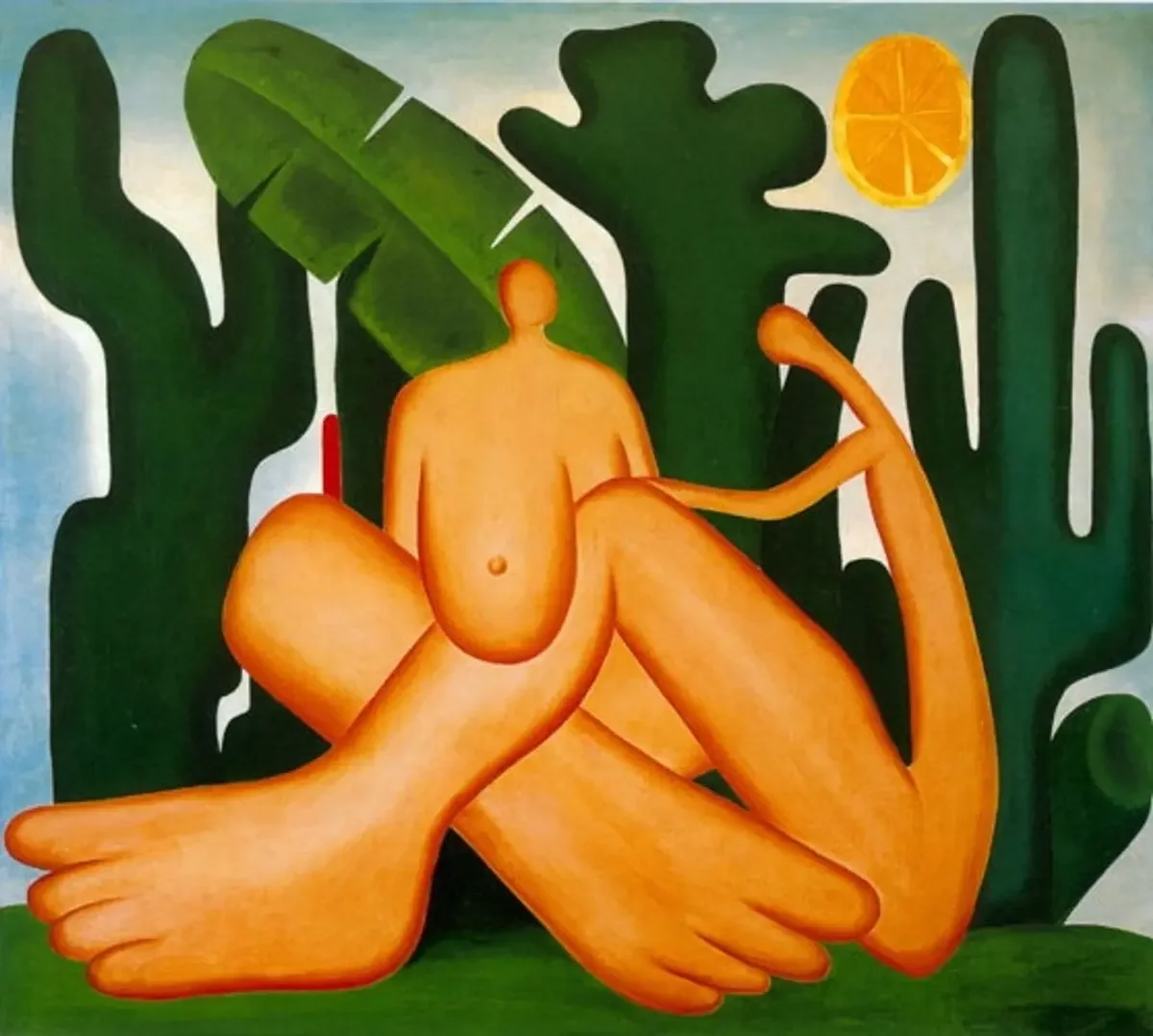
Anthropophagic Translation: An Analysis of Translation Ethics, and Translation as a Tool for Cultural Reclamation and Power:
What if they ate it instead? Most people think a translator should be faithful and invisible. Well, not for Anthropophagic Translation. Inspired by Brazil's Tupinambá cannibal ritual, this translation theory devours European texts, digests them, create something fiercely Brazilian.
Traditional ethics asks ‘How do I serve this text?‘ Anthropophagy asks ‘How does this text serve me?’
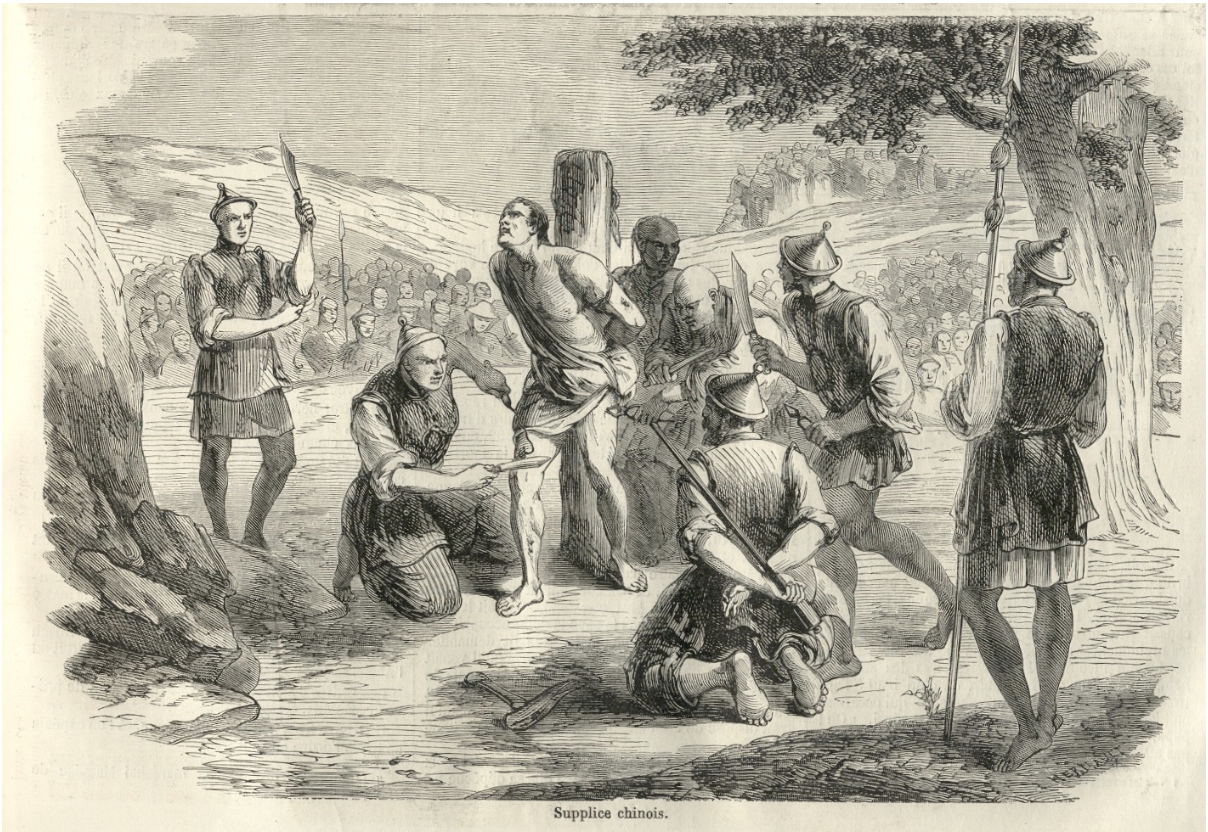
‘Death by a thousand cuts’: Its journey from a Chinese torture technique to a Taylor Swift song:
What do a brutal ancient punishment and a Taylor Swift breakup song have in common? This article traces the fascinating journey of "death by a thousand cuts" from its origins as a gruesome ancient Chinese execution method (凌迟) to its modern use as a metaphor for gradual decline—and even a Taylor Swift song title, showing how language evolves in surprising ways.
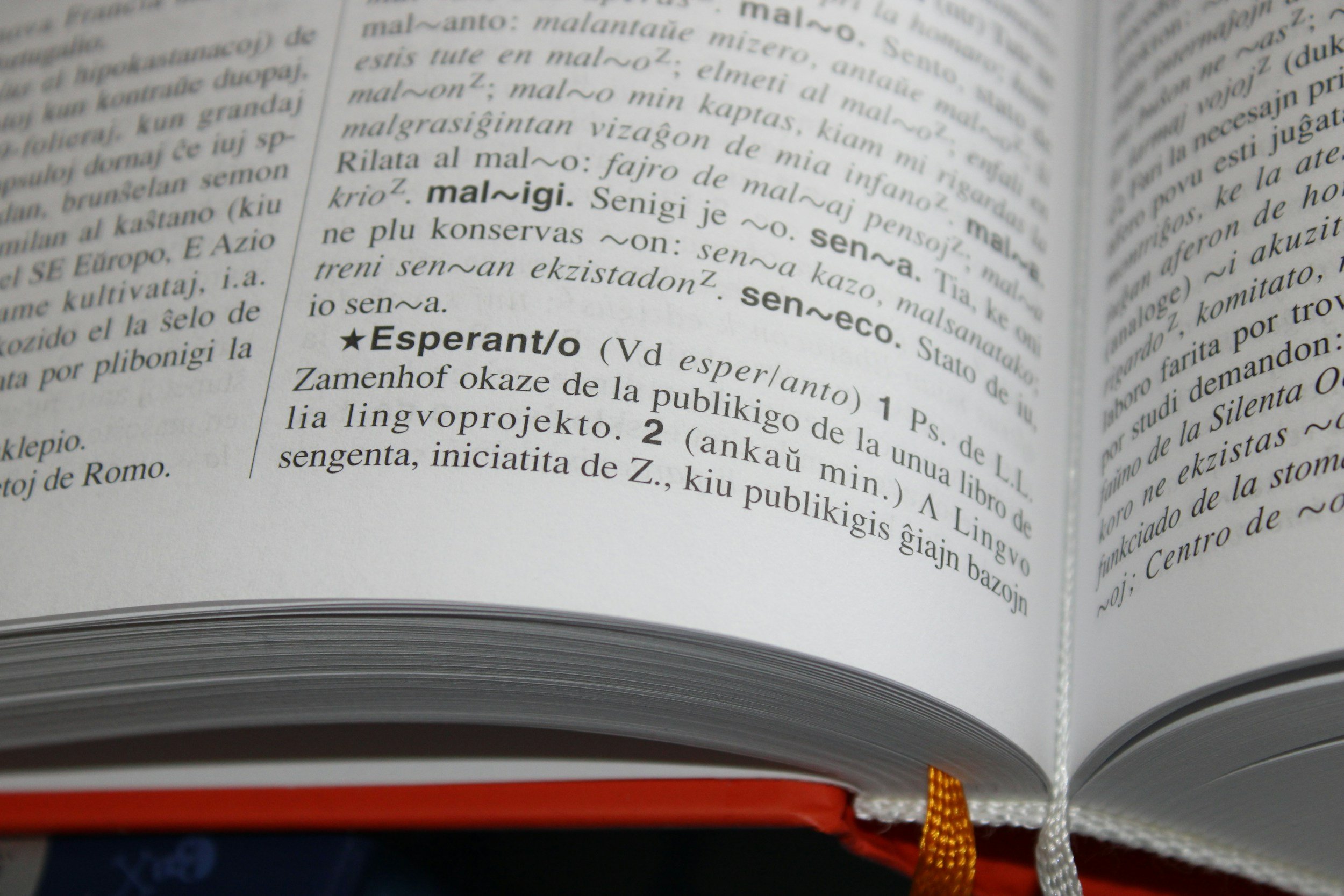
Would One Universal Language Benefit Humanity?
Imagine a world where everyone spoke the same language — would that unite us or actually strip away our rich global heritage? This article explores why a single universal tongue is an impractical idea. While aiming for connection, we would risk losing the vast cultural identities woven into our thousands of languages.
Does Being Bilingual Really Make You ‘Smarter’?
Speaking two languages doesn't just connect you to more people—it actively strengthens your brain! Discover how bilingualism enhances focus, decision-making, and mental agility, while helping to preserve cognitive health for years to come.
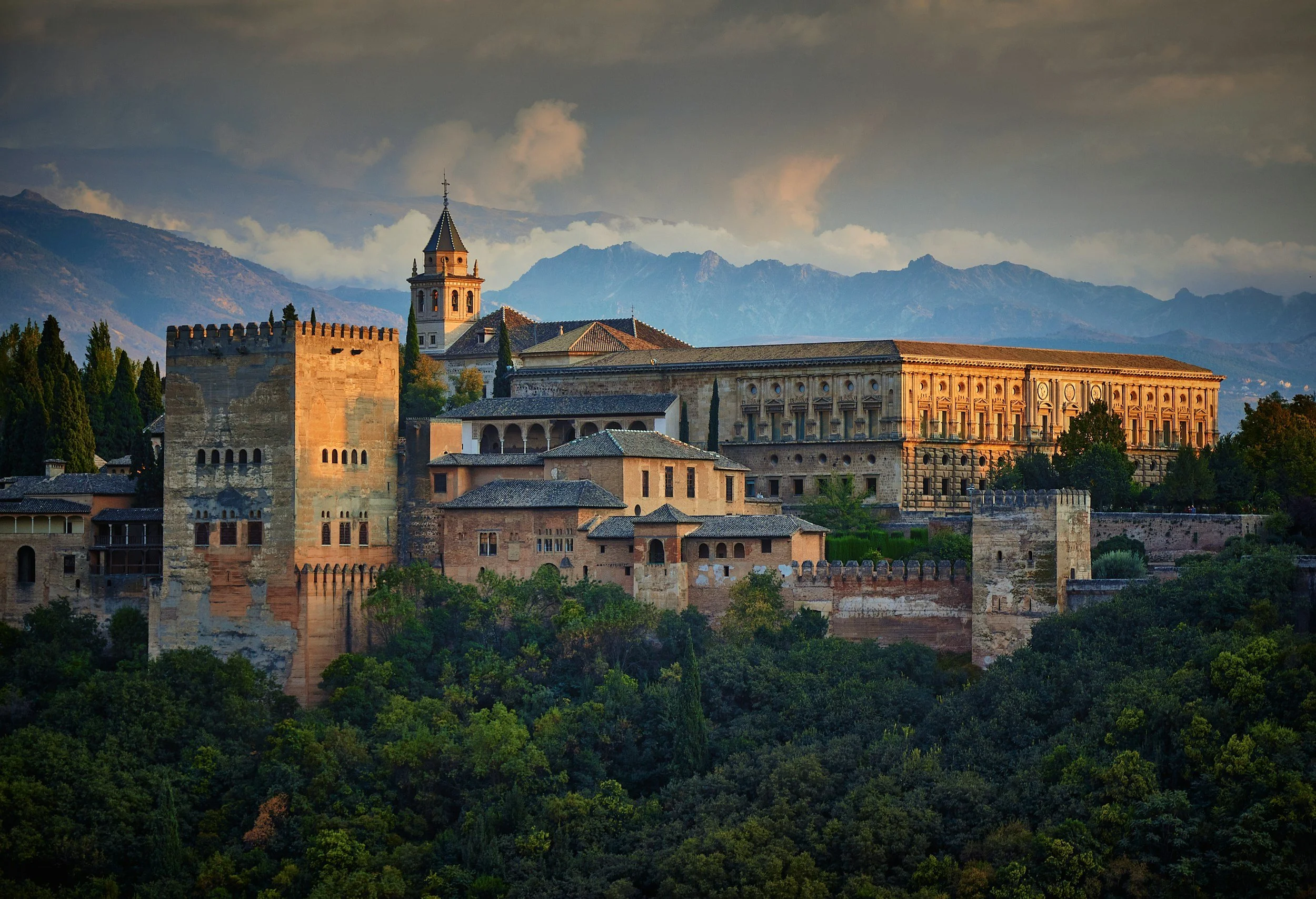
The History of Muslim Influences on Spanish Culture and Language:
Uncover 800 years of forgotten history. This article reveals the profound Arabic influence on the Spanish language, culture, and architecture, from common words like aceite to iconic landmarks like the Alhambra, shaping Spain today.